
Skip to content

Stoic Wisdoms for Designers

Welcome to stoic wisdoms for designers. Your weekly source of calm inspiration.

Alt Test

Stoic Design Wisdom

Don’t fall in love with the brief

Briefs only give one side of the story. Discovery begins with exploring and even challenging the brief. A brief can seem like a clear set of instructions, but it is often just the surface of a much deeper challenge. Most briefs are shaped by assumptions, business goals, or internal conversations that may not reflect real user needs. If you treat the brief as sacred, you risk solving the wrong problem or missing a richer opportunity. Often, the best design results come from questioning the brief, not blindly following it.

What you can do

Treat the brief as a hypothesis. Ask where the information came from, who was left out of the conversation, and what might have been overlooked. Unpack it with your team. Map out what is known, what is assumed, and what needs validation. Use user research to test the brief against reality. Are users actually experiencing the issue described? Is a proposed feature solving the right problem? Reframe the challenge, if needed, and involve stakeholders in that process so they feel included rather than challenged. Great design often starts where the original brief ends. Make space to explore what is not written down.

Stoic Quote

“If I had asked my stakeholders what they wanted, they would have said faster horses.”

Henry Ford (paraphrased)

testing description Lorem ipsum dolor sit amet, consectetur adipiscing elit, sed do eiusmod tempor incididunt ut labore et dolore magna aliqua. Ut enim ad minim veniam, quis nostrud exercitation ullamco laboris nisi ut aliquip ex ea commodo consequat. Duis aute irure dolor in reprehenderit in voluptate velit esse cillum dolore

Learn more

Today's Video

Alan Wats Meditation

f dsafdsaf dsaf dsfasd

Google Ad placeholder

Paste your AdSense or ad unit markup here when ready.

Alt Test

Stoic Design

Sed ut perspiciatis unde omnis iste natus error

Sed ut perspiciatis unde omnis iste natus error sit voluptatem accusantium doloremque laudantium, totam rem aperiam, eaque ipsa quae ab illo inventore veritatis et quasi architecto beatae vitae dicta sunt explicabo. Nemo enim ipsam voluptatem quia voluptas sit aspernatur aut odit aut fugit, sed quia consequuntur magni dolores eos qui ratione voluptatem sequi nesciunt. Neque porro quisquam est, qui dolorem ipsum quia dolor sit a

Learn more

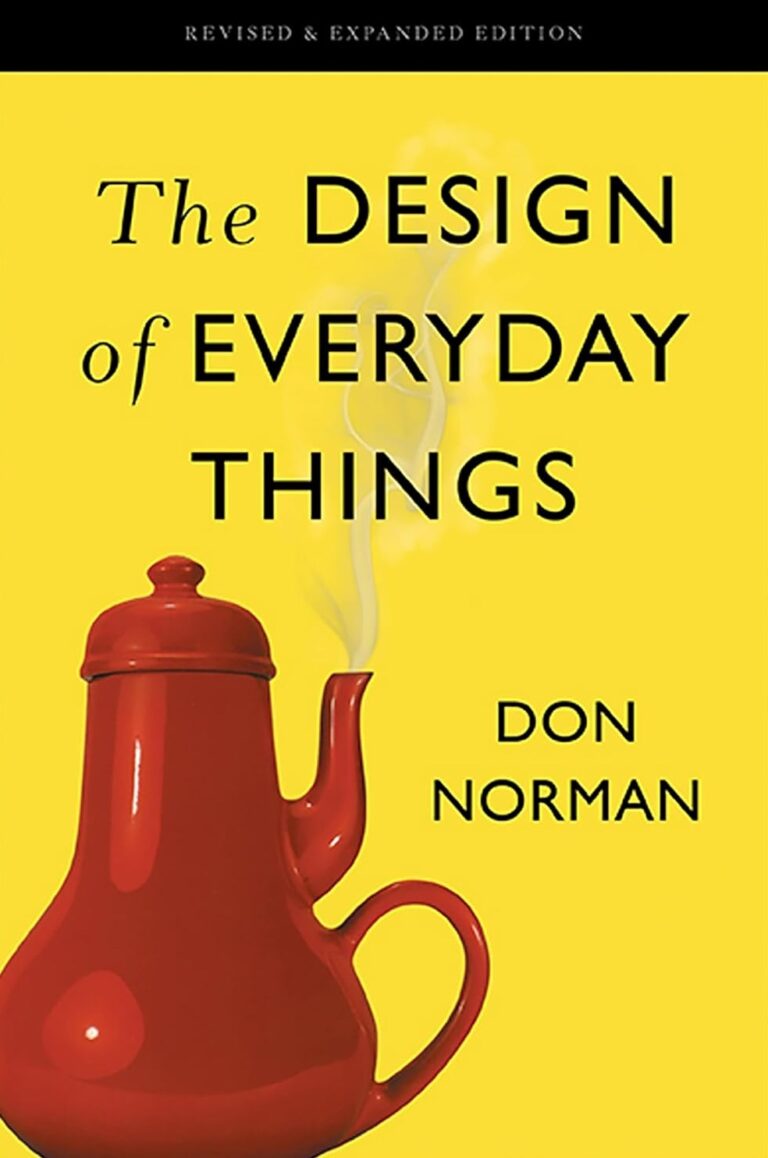
The Design of Everyday Things

Stoic Reading

The Design of Everyday Things: Revised and Expanded Edition

Don Norman

Even the smartest among us can feel inept as we fail to figure out which light switch or oven burner to turn on, or whether to push, pull, or slide a door. The fault, argues this ingenious,even liberating,book, lies not in ourselves, but in product design that ignores the needs of users and the principles of cognitive psychology. The problems range from ambiguous and hidden controls to arbitrary relationships between controls and functions, coupled with a lack of feedback or other assistance and unreasonable demands on memorization. The Design of Everyday Things shows that good, usable design is possible.

Buy on Amazon (opens in a new tab)